How to Stop Dog Digging Before It Becomes a Backyard Habit
If you want to stop dog digging, start by treating it as a natural behavior with an identifiable cause, not simply as a yard problem with a hole. Dogs may dig because of boredom, excess energy, heat, prey activity, stress, escape motivation, or repeated opportunities to practice the behavior while unsupervised.
The good news is that dog digging can often improve with structure, exercise, dog obedience, and calm redirection before the habit becomes part of your dog’s daily routine.
Key Takeaways
- To stop dog digging, first identify why your dog is digging in the yard, such as boredom, heat, prey scent, escape, anxiety, or lack of supervision.
- Punishment after the fact does not work because dogs connect consequences to what they are doing in the moment.
- Daily structure, enough exercise, mental stimulation, and engaging toys reduce excess energy that often turns into digging behavior.
- Obedience skills like recall, place command, stay, leash control, and impulse control help dog owners interrupt digging early.
- Supervised yard time is one of the best ways to stop digging before new holes become a long-term backyard behavior.
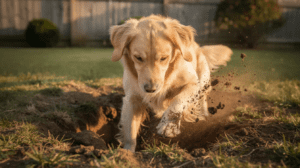
Why Dogs Dig in the Yard
Dogs dig holes for many reasons, so the first step is to watch patterns. Does your dog dig near the fence line, only when it is hot, after seeing other animals, or always in loose soil near the garden? Understanding why your dog digs makes it easier to choose the right solution.
Many dogs dig because they are bored, under-stimulated, or left alone in the yard without toys, play, or a clear job to do. Young dogs may also dig as part of normal exploration, especially when they discover that moving dirt is fun.
Some dogs are more naturally driven to dig. Terriers, dachshunds, and other active breeds may dig because hunting or searching underground is part of their history. Dogs may also scratch or dig when they smell rodents, insects, or other small animals near the lawn, garden, shed, plants, or loose soil.
Comfort is another common reason. Dogs may dig into cooler soil on hot days, especially when adequate shade, water, or comfortable resting areas are unavailable. Providing fresh water, dependable shade, and a cool place to rest may reduce heat-related digging. Dogs should not be left outside during unsafe temperatures or severe weather.
Digging can also be connected to attention, escape, or distress. If digging consistently causes the owner to rush outside, some dogs may learn that the behavior brings interaction, even when that interaction includes scolding. Dogs may also dig near fences to reach something outside the yard, escape confinement, or move away from frightening noises. Digging that occurs with pacing, persistent barking, damaged paws, or frantic escape attempts may indicate anxiety and should be discussed with a veterinarian or qualified behavior professional.
Dog digging is not random, and it is not usually solved by only filling holes. The best approach is to understand what your dog is trying to get from the behavior, then change the routine, environment, and training plan so digging is less rewarding.
How Structure Helps Stop Dog Digging
Structure does not mean harsh control. It means predictable rules, exercise, training, play, and rest on a daily basis, so your dog knows what to expect. When routines work properly, dogs are less likely to pace the yard looking for their own entertainment.
Start with the basics. Many dogs dig more when they are under-exercised, under-stimulated, or left to entertain themselves outside. A better routine may include a quality walk with leash control, fetch, tug, structured playtime, scent games, or safe dog sports when appropriate for the dog’s age, health, and temperament.
Mental stimulation matters just as much as exercise. Food puzzles, scent games, tricks, engaging toys, and short obedience sessions can give your dog a productive outlet and reduce boredom-related digging without creating more chaos.
Build “on” and “off” time into the day. After exercise, ask for calm behavior with a place command, down-stay, or crate rest. A dog that learns to settle after activity is less likely to self-entertain by digging holes, fence-running, or chewing the lawn.
Supervise your dog outdoors to interrupt digging immediately. Supervision allows you to calmly interrupt early pawing at the ground and redirect before a full hole appears. For a dog digging out of boredom, that redirection might include fetch, a recall game, treats for calm focus, or going back inside to rest.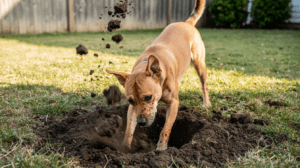
Obedience Skills That Build Better Backyard Manners
Reliable dog obedience is one of the most practical ways to stop dog digging because it gives dog owners real-time control. Instead of yelling after the damage is done, you can teach your dog what to do before digging starts.
A strong recall lets you call your dog away when you see sniffing, pawing, or circling near the same holes. Reward the recall well, so coming away from dirt is worth it. This is especially important near the fence, garden, or specific areas where your dog has practiced digging.
The place command gives your dog an acceptable spot to relax. A raised bed or mat in the yard can help teach calm behavior while you garden, talk with neighbors, or let pets enjoy outdoor time. Sit, down, stay, and wait also help your dog pause instead of reacting instantly to scent, sound, or movement.
Leash control can be useful during the training stage. A standard leash or supervised long line lets you guide your dog away from loose soil without chasing or shouting. Never leave a dog unattended on a long line because it can become tangled around the dog, landscaping, or outdoor furniture. Redirect your dog to the designated digging area or another appropriate activity, then reward the better choice.
Impulse-control exercises also matter. Ask your dog to wait at doors, hold a sit before fetch, settle before being released to play, and check in with you before entering the yard. Once released, allow appropriate sniffing and exploration while supervising for early signs of digging. These small skills help your dog respond to direction before excitement turns into unwanted yard behavior.
Practice indoors first, then on the patio, then in the yard with distractions. Add real-world triggers slowly, including squirrels, neighborhood noises, other dogs, and areas where your dog has dug before.
How to Prevent Digging Before It Becomes a Habit
It is easier to prevent digging early than to fix a long-term habit. If you notice loose soil, small holes, or repeated digging in the same spot, interrupt calmly and redirect your dog right away.
Avoid scolding after the fact because dogs do not connect delayed punishment with the hole they made earlier. Instead, use supervision, redirection, and positive reinforcement to teach better choices.
If your dog enjoys digging, create a safe digging area with sand or loose soil. Bury toys or treats there, praise your dog for using it, and guide them back to that space when they dig elsewhere.
Manage the yard while training by filling old holes, blocking problem areas, and securing escape-prone sections of the fence. Large rocks, pavers, or securely buried fencing may help, but no sharp wire or exposed edges should remain where your dog can reach them. Check barriers regularly for gaps, loose materials, or other injury risks.
A simple routine with obedience, supervised play, calm place work, and a clear transition back inside can help prevent boredom-based digging. If digging is intense, repeated, or linked to barking, pacing, escape attempts, or anxiety, professional training may help address the root cause.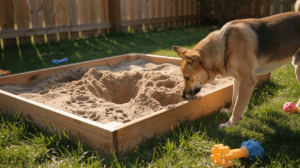
Final Thoughts: Getting Help to Stop Dog Digging
Dog digging is natural, but it does not have to ruin your yard. Quick fixes, punishment, or random deterrents rarely create lasting change. A better plan combines supervision, exercise, mental stimulation, calm behavior, and clear obedience.
To stop dog digging long-term, focus on why your dog digs, supervise outdoor time, and redirect early. If your dog is anxious, reactive, highly impulsive, or difficult to call away from distractions, customized training can help build better backyard manners.
If you feel stuck, professional guidance can help you strengthen recall, place, leash control, and calm responses around outdoor distractions. Off Leash K9 Training of Sterling offers obedience and private training options for dog owners throughout Sterling and Northern Virginia. If the digging appears frantic, causes injury, or happens with signs of separation distress, begin with your veterinarian or a qualified behavior professional to rule out concerns that require more than obedience training.
FAQ
How long does it usually take to stop a dog from digging?
There is no fixed timeline because progress depends on why the dog is digging, how long the behavior has been practiced, and how consistently the environment is managed. Some dogs improve soon after supervision and enrichment are increased, while established, escape-related, or anxiety-related digging may require a longer behavior plan and professional support.
Is it okay to let my dog dig in one designated area?
Yes. A designated digging area is a good option for a dog that strongly enjoys digging. Use sand or loose soil, clearly mark the space, bury toys or treats there, and redirect your dog back to that area whenever digging starts elsewhere.
Will more exercise alone stop my dog’s digging?
More exercise helps reduce excess energy, but exercise alone is rarely enough. The best approach combines physical activity, mental stimulation, obedience training, supervision, and environmental management.
Should I fill in the holes my dog already made?
Yes. Fill holes firmly to improve safety and make those spots less rewarding. In problem areas like the fence line, add large rocks, pavers, or chicken wire while continuing training and supervision.
Can digging be a sign of a bigger behavior problem?
Yes. Repetitive or frantic digging combined with pacing, persistent barking, escape attempts, damaged paws, or distress when left alone may indicate fear or anxiety. A veterinarian or qualified behavior professional can help determine the underlying cause, while an experienced trainer may assist with obedience, management, and owner-handling skills.
from Off Leash K9 Training of Sterling https://ift.tt/UeFZXoi
via IFTTT


Comments
Post a Comment