Reactive vs. Aggressive Dog: What New Owners Should Know
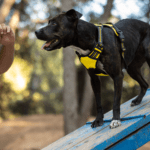
Understanding the difference between a reactive vs aggressive dog is one of the most important things new owners can learn. Many dogs bark, lunge, or pull on leash, and it can be hard to know whether this is normal excitement or something more serious. This guide will help you recognize the signs, understand what drives these behaviors, and know when to seek help.
Key Takeaways
- A reactive dog overreacts to triggers, such as barking, lunging, and pulling, often driven by fear, frustration, or overstimulation. In contrast, an aggressive dog typically exhibits behavior intended to intimidate, defend, or potentially harm, such as growling, snapping, or biting.
- Dog reactivity is often driven by fear, frustration, excitement, or overstimulation, especially on leash or around specific triggers.
- Warning signs of dog aggression include stiff posture, a fixed stare, growling, snapping, or biting, especially if the behavior keeps escalating.
- Punishment, yelling, or forcing interactions can make both reactivity and aggression worse.
- Calm handling, structure, and early professional help are the safest approaches.
What Is the Difference Between a Reactive vs Aggressive Dog?
A reactive dog shows big, noisy reactions to everyday triggers. This might include intense barking, lunging, whining, or frantic pulling on the leash when your dog reacts to other dogs, delivery trucks, children on scooters, or unfamiliar people. Reactive dogs often respond to normal stimuli with excessive arousal that seems out of proportion to the situation.
An aggressive dog, in contrast, typically exhibits behavior meant to eliminate a perceived threat or defend itself. This includes growling, snarling, snapping, or biting when another dog or person comes too close, especially if the dog feels cornered or threatened. Both reactive and aggressive behaviors can stem from fear, but reactive dogs may not intend to harm, whereas aggressive dogs are often acting with the intent to defend themselves or their territory.
Both reactivity and aggression live on a spectrum. Some dogs are simply noisy and excitable. Others show serious, escalating warning signs that need urgent help. Fear is a common motivator for reactive dogs, but other underlying emotions, such as frustration or excitement, can also contribute to reactivity. Aggression usually involves intent to create distance, threaten, or protect a resource.
Identifying a reactive dog involves recognizing loud outbursts and dramatic reactions to specific stimuli, while identifying an aggressive dog includes observing stiff body language and direct, fixed stares. Reactive dogs often calm down relatively quickly once the trigger is removed, whereas aggressive dogs may remain in a state of high arousal for longer.
Understanding this difference helps you respond calmly and seek the right type of obedience training and behavior support.

Common Signs of Reactivity in Dogs
Dog reactivity is very common, especially in young dogs and those who were not fully socialized before 14 to 16 weeks of age. A lack of early socialization can significantly contribute to reactivity in adult dogs, as they may become overwhelmed by stimuli that other dogs might find manageable. Proper socialization during puppyhood helps prevent reactivity later in life. Genetic factors can also play a role, as certain breeds may be predisposed to heightened reactivity due to inherited traits.
Reactive dogs often exhibit behaviors such as barking, lunging, or growling in response to specific triggers, which can include unfamiliar people or other dogs. Common signs of reactivity in dogs include intense barking, cowering, and pulling on the leash, which are disproportionate responses to normal stimuli.
Concrete examples of reactive behavior include:
- Barking at other dogs on walks
- Lunging at passing skateboards or bicycles
- Whining and spinning at the sight of unfamiliar people
- Jumping at windows when a mail carrier approaches
- Fixating on wildlife in the yard
Leash reactivity is often more pronounced because the dog feels trapped by the leash. The same dog might be calmer off-leash in a fenced area, as they have more freedom to move and manage the encounter on their own terms. Triggers for reactive behavior can vary widely and may include specific stimuli such as men with beards, children, or even certain clothing items like hats.
Reactive dogs often lack emotional self-control, which can lead to frustration when their excitement to greet another dog or person is thwarted by a leash or barrier. Common emotional drivers include fear of unfamiliar people or dogs, frustration from being held back on leash, excitement about play, or overstimulation in busy environments like apartment hallways or crowded sidewalks.
Warning Signs That Behavior May Be Aggressive
Some behaviors look similar to reactivity but are more serious. Owners should not ignore these warning signs or “wait and see.”
Specific warning signs of dog aggression include:
- Stiff, upright body posture
- A hard, fixed stare
- Raised hackles along the back
- Low growling
- Freezing when touched
- Curling a lip or snarling
- Snapping (an impulsive attempt to bite or intimidate)
- Biting or making contact with teeth, even if the bite does not break the skin
Reactivity and aggression can overlap. Reactive dogs can escalate to defensive aggression if they feel cornered, threatened, or if their warning signals are ignored. In such cases, a reactive dog may shift from fearful responses to more aggressive actions, such as growling or biting, in an attempt to protect themselves. Repeated escalation is a red flag. For example, a dog that goes from barking to growling to snapping when people approach the front door or food bowl over several weeks or months needs professional help.
Aggression often has the intent to increase distance, threaten, or bite. A dog that moves forward while growling when someone backs away is showing intent. Resource guarding, where a dog guards toys, food, or resting spots from family members, is another serious concern.
Pain or medical issues such as arthritis, ear infections, or dental pain can make a dog more likely to growl or snap when touched. A veterinary exam is essential if behavior changes suddenly.
What New Owners Should Do First
Early action can prevent dog reactivity from developing into more serious dog aggression. Here are practical first steps:
Create a structure at home. Establish consistent routines for feeding, walks, rest, and short daily obedience training sessions. This helps your dog predict what comes next and feel more secure.
Manage distance from triggers. Walk at quieter times, cross the street when another dog approaches, or move behind a parked car so your dog can see the trigger at a comfortable distance without barking or lunging.
Practice calm handling. Use a neutral voice, maintain a relaxed leash, turn away rather than dragging the dog forward, and reward even small moments of calm eye contact or loose leash walking with high-value treats or toys.
Avoid punishment. Managing reactive and aggressive behaviors effectively requires understanding body language, avoiding triggers, and using consistent training methods. Punishment, leash jerks, yelling, or forcing a dog to interact with people or other dogs can increase fear and anxiety, escalating the risk of defensive aggression. Instead, focus on positive reinforcement, rewarding calm behavior and building trust.
Build focus with basic cues. Incorporate obedience training cues such as “sit,” “look at me,” and “let’s go” around very mild triggers. Use positive reinforcement to build confidence.
When to Get Professional Help
There is no shame in seeking professional dog training or behavior support. While reactivity is typically fear-based and can be managed with training, aggression is often a more serious issue that may require professional intervention immediately due to its potential to cause harm. If aggression is observed, it is important to seek help as soon as possible to prevent escalation and ensure safety.
Seek professional help if you observe:
- Any biting or snapping, Growling around children
- Worsening leash reactivity
- Guarding food or toys, Difficulty controlling the dog’s strength on walks
It’s important to seek help as soon as you notice these signs to prevent escalation and ensure the safety of everyone involved.
A qualified professional can help identify specific triggers, read body language in real time, and create a step-by-step training plan. Behavior modification for dogs often involves identifying the underlying reasons for aggressive or reactive behaviors, which is key to success in managing these issues.
Desensitization and counterconditioning are key training techniques used to change a dog’s emotional response to triggers. Counter conditioning is a behavior modification technique that helps dogs associate their triggers with positive experiences, such as treats or praise, to reduce their fear or reactivity.
A successful behavior modification plan requires the owner’s participation, consistency, and follow-through, as there are no quick fixes for reactive or aggressive behaviors. Collaboration with a veterinarian may be needed if pain, anxiety, or medical issues are suspected.
The goal is safety and long-term well being, not quick fixes. Early guidance usually means shorter training timelines and better results.
Final Thoughts
Understanding the difference between a reactive vs aggressive dog empowers you to respond calmly and take the right steps. Many dogs start as reactive, and with the right help, do not need to become aggressive.
Recognizing barking, lunging, and pulling as early signs of dog reactivity allows owners to take proactive steps, such as using structured routines, managing distance from triggers, employing calm handling techniques, and implementing consistent obedience training to prevent the behavior from escalating.
Warning signs such as stiff posture, growling, snapping, or biting should always be taken seriously and addressed with professional support rather than punishment.
If your dog is barking, lunging, growling, snapping, or feels harder to control each month, consider reaching out to a qualified trainer or behavior professional for a personalized plan. With patience, guidance, and the right training approach, most dogs can learn to feel safer, stay calmer, and behave more reliably around their everyday triggers.
FAQ
Is my dog aggressive if they only bark at people passing the house?
Not always. Barking at windows or fences is often reactive or alert behavior. If your dog also growls, stiffens, fixates, or becomes harder to redirect, a professional assessment is a smart next step.
Can a friendly, social dog suddenly become aggressive?
Yes. Sudden behavior changes can happen because of pain, illness, fear, trauma, or social maturity. If your dog suddenly growls, snaps, avoids touch, or reacts differently around people or dogs, start with a veterinary check and seek professional guidance.
How much exposure to triggers is safe for a reactive dog?
Safe exposure should be low-intensity. Your dog should be able to notice the trigger, take food, respond to cues, and move away calmly. If they bark, lunge, freeze, or stop listening, the trigger is too close.
Will my dog’s reactivity go away on its own as they get older?
Usually, no. Some dogs settle with age, but reactivity caused by fear, frustration, or poor leash habits often needs training. The earlier you address barking, lunging, or pulling, the easier it is to improve.
Can punishment stop reactivity or aggression in dogs?
Punishment may suppress behavior briefly, but it can increase fear and make warning signs less obvious. A safer approach uses management, calm handling, structure, and positive reinforcement to build better behavior.
If your dog is showing signs of reactivity or aggression, working with a professional trainer can help you build safer, more reliable behavior through a structured plan.
from Off Leash K9 Training of Sterling https://ift.tt/VdU1eBY
via IFTTT


Comments
Post a Comment