Ultimate Guide to Dog Training in Sterling VA
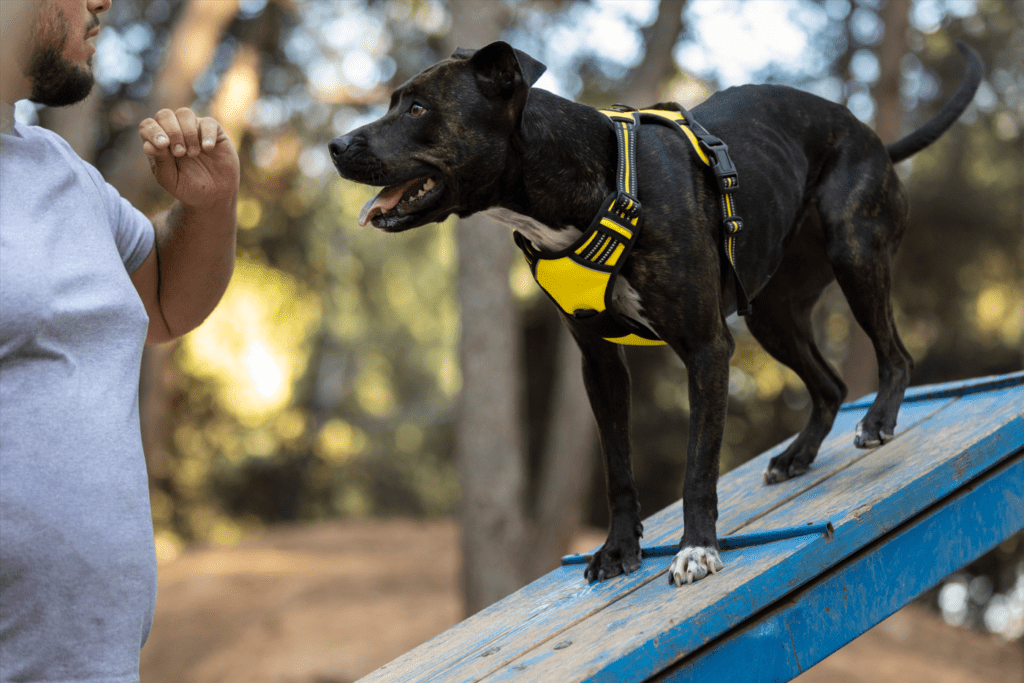
So, you want to train your dog in Sterling, VA. It’s kind of exciting, but also, you know, a little overwhelming at first. Dogs don’t come with manuals, unfortunately, so watching their body language really helps. Tail wags, ear flicks, little quirks, they all say something if you just pay attention.
Setting up a training routine that matches your dog’s energy is super helpful. You start small, like teaching ‘sit’ and ‘stay’ with positive encouragement. Later on, you can move into more advanced stuff, kind of like a little challenge for both of you. And yeah, every dog is different, so patience is key. Oh, and if you’re checking out dog training services in Sterling, VA, some trainers can really make a difference with a structured plan.
Training is more than just commands. It’s about building trust, reading cues, and making the process fun. You’ll notice some days your dog gets it instantly, and other days it’s like huh? But sticking with the basics lays the groundwork for long-term success and a closer bond.
Finding the Right Dog Trainer
Looking for a dog trainer in Sterling, VA? Honestly, it’s a bit of trial and error. Ask around local vets, other dog owners, and even your neighbors, who might know someone good. A certified trainer is great, but you also want someone whose style fits your goals.
Meeting trainers in person is super useful. Watch them work with other dogs, see how they handle issues, and notice how your dog reacts around them. Trainers who take the time to explain techniques and answer questions usually help you more in the long run. You know, the kind who makes you feel like you’re learning along with your dog, not just watching them.
Understanding Canine Behavior
Dogs talk with their bodies more than their mouths. Tail wagging, ear positions, and little tensing movements all mean something. But just a wagging tail doesn’t always mean happiness. Sometimes it’s excitement, sometimes stress, sometimes just confusion.
Observing these cues helps you figure out the right approach. You adjust your commands, your tone, and even your timing based on what they’re feeling. Every dog is a little different, so patience and paying attention are huge. Misreading signals can make training slower or frustrating, so just take your time.
Establishing a Training Routine
Routines are magic for dogs. They give structure and make it easier for them to learn what’s expected. Think about feeding, potty breaks, playtime, and training sessions all on a schedule. Short bursts of learning usually work better than long, unpredictable sessions.
Start with the basics and slowly build up. Keep sessions upbeat and end on a good note so your dog looks forward to training. It’s all about consistency, you know? Every dog learns at their own pace, so don’t rush it. Your patience pays off, trust me.
Teaching Basic Obedience Commands
For basic commands, start simple. Sit, stay, and come, these are the building blocks. Hold a treat near their nose and lift it slowly when teaching ‘sit’. Their bottom naturally goes down, and you say ‘sit’ at the right moment. Treat, praise, repeat.
‘Stay’ is similar: start close, then slowly increase distance. Keep your tone happy, reward frequently, and don’t stress if it takes a few tries. The repetition helps them get it. Little steps, lots of praise, and you’re golden.
Mastering Advanced Training Techniques
Once your dog has the basics, you can level up. Advanced tricks, agility, or focus tasks keep them sharp and challenged. Positive reinforcement, like high-value treats or clickers, really motivates them.
Patience is huge here. Some days they nail it; other days they’re just kind of distracted. Training advanced stuff strengthens your bond with your dog, and your dog learns to trust you more. And honestly, it’s fun for both of you, which is probably the best part.
Utilizing Training Resources
Don’t just stick to one method. Books, online courses, local classes, and even other trainers can all help. Some people like in-depth reading; others like hands-on. Mix what works for your dog.
The key is consistency. Too many conflicting methods confuse your pup. But using multiple resources thoughtfully gives a well-rounded approach. You get new ideas, your dog stays engaged, and you both benefit.
Related Topics:
from Off Leash K9 Training of Sterling https://ift.tt/navSQEJ
via IFTTT


Comments
Post a Comment